
Exploring the Fascinating World of Marine Iguanas Their Origin Adaptation Evolution and More

Marine iguanas are one of the most unique reptiles on Earth. Found only in the Galápagos Islands, these creatures have adapted in remarkable ways to survive in a harsh environment where few other reptiles dare to venture. Their story involves fascinating origins, impressive adaptations, and an evolutionary journey that continues to intrigue scientists and nature lovers alike. Let’s explore the marine iguana’s world in detail, uncovering what makes them so special.
Origin and Arrival
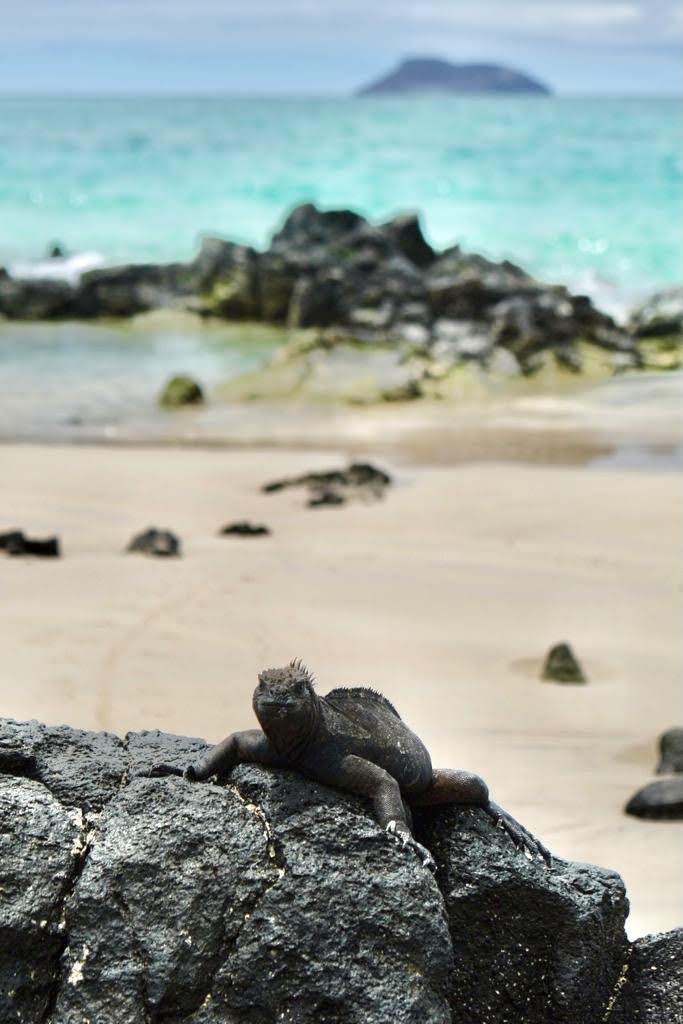
Marine iguanas belong to the genus Amblyrhynchus, and they are the only lizards known to forage in the sea. Their ancestors likely arrived in the Galápagos Islands from mainland South America around 10 million years ago. These ancestors were land-dwelling iguanas, but over time, some adapted to the coastal environment.
The Galápagos Islands themselves are volcanic and relatively young in geological terms, which means marine iguanas had to evolve quickly to survive in this new habitat. Their arrival and subsequent adaptation highlight how species can change dramatically when faced with new challenges.
Adaptation to a Marine Lifestyle
Marine iguanas have developed several unique adaptations that allow them to thrive in the ocean:
Salt Glands: They have specialized glands near their noses that expel excess salt ingested while feeding underwater. You might see them sneezing out salty water, a behavior that helps maintain their internal salt balance.
Flattened Tails: Their tails are laterally flattened, acting like a paddle to help them swim efficiently.
Strong Claws: These claws allow them to cling tightly to slippery rocks even in strong waves.
Dark Skin: Their dark coloration helps absorb heat quickly after cold swims in the ocean, which is essential since they are cold-blooded.
These adaptations enable marine iguanas to dive up to 30 feet deep and feed primarily on algae growing on underwater rocks.
Evolution and Distribution
Marine iguanas evolved from land iguanas but took a different path due to their marine environment. Over time, natural selection favored traits that improved swimming and salt regulation. This evolutionary path is a clear example of how species can diverge when isolated in unique environments.
Today, marine iguanas are found only on the rocky shores of the Galápagos Islands. Their distribution is limited to this archipelago, making them endemic to the region. Different islands host slightly different populations, with some variations in size and coloration.
Varieties of Marine Iguanas
While all marine iguanas belong to the same species, Amblyrhynchus cristatus, there are several subspecies or populations that show distinct traits depending on their island habitat. For example:
Santa Cruz Population: These iguanas tend to be larger and darker.
Isabela Population: Known for their larger size and sometimes reddish hues during mating season.
Fernandina Population: Often smaller and more agile, adapted to the island’s rugged coastline.
These variations reflect how the environment shapes physical traits even within a single species.

Lifespan and Reproduction
Marine iguanas typically live around 12 to 15 years in the wild, though some individuals can live longer under favorable conditions. Their reproductive cycle is closely tied to the seasons:
Mating Season: Usually occurs during the warmer months, from December to March.
Nesting: Females dig burrows in sandy areas to lay their eggs.
Number of Eggs: A female can lay between 1 to 6 eggs per clutch.
Incubation Time: Eggs incubate for about 90 days before hatching.
The hatchlings are vulnerable to predators like birds and crabs, so many do not survive to adulthood. However, those that do grow quickly and join the adult population.
Why People Find Marine Iguanas Fascinating
Marine iguanas attract attention because they challenge what we expect from reptiles. Their ability to swim and feed in the ocean is rare among lizards. Their unique adaptations, such as salt sneezing and dark skin for heat absorption, make them a living example of evolution in action.
Visitors to the Galápagos Islands often marvel at their calm demeanor and the way they blend into the volcanic landscape. Watching a group basking in the sun or diving into the waves offers a glimpse into a world where land and sea meet in a delicate balance.



Comments