
The Enchanted Islands of Galapagos: Understanding Adaptation, Evolution, and Conservation Challenges

The Galapagos Islands are a living laboratory of evolution, where unique creatures arrived, adapted, and evolved in isolation. These islands offer a rare glimpse into the processes that shape life, including the well-known Darwin theory and new Darwinism, which remain accepted and proven ideas nowadays. For tourists eager to explore this natural wonder, understanding how these animals came to be and the challenges they face adds depth to the visit. This post explores the arrival of different creatures, their adaptation and evolution, and the urgent conservation efforts needed to protect this fragile ecosystem.

Arrival of Creatures to the Galapagos Islands
The Galapagos Islands lie about 1,000 kilometers off the coast of Ecuador in the Pacific Ocean. Their remote location and volcanic origin mean the islands started as barren land. Over millions of years, plants and animals arrived by chance, carried by ocean currents, wind, or flying from the mainland.
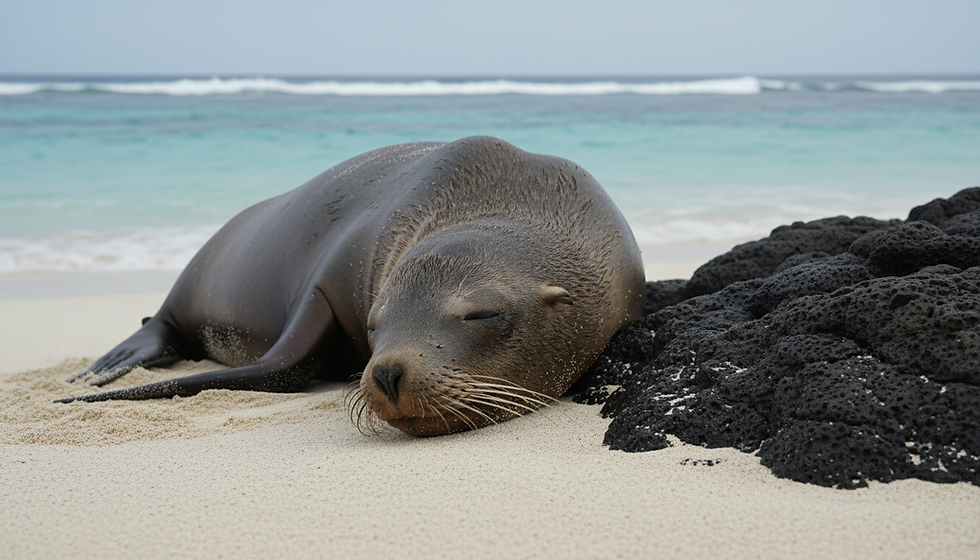
Marine animals such as sea lions and marine iguanas likely swam or floated on debris.
Birds like finches and mockingbirds flew from South America.
Reptiles such as giant tortoises floated on vegetation rafts.
Insects and plants arrived via wind or birds.
This initial arrival was random but set the stage for the islands’ unique biodiversity.
Establishment, Adaptation, and Evolution of Endemic Species
Once species arrived, they faced new environments with little competition or predators. This isolation allowed them to establish populations and adapt over generations. The Galapagos are famous for adaptive radiation, where one species evolves into many to fill different ecological niches.
Examples of Adaptive Radiation
Darwin’s finches evolved into 18 species with different beak shapes suited for seeds, insects, or flowers.
Giant tortoises developed different shell shapes depending on the island’s vegetation.
Marine iguanas adapted to feed on algae underwater, a rare trait among lizards.
These changes illustrate natural selection, a key part of the Darwin theory and new Darwinism, where traits that improve survival become more common.
Geographic Isolation and Its Role in Evolution
The Galapagos Islands’ isolation is crucial. Being separated by water prevents species from mixing with mainland populations. This isolation allows species to evolve independently, leading to high levels of endemism—species found nowhere else on Earth.
Each island has slightly different environments, creating microhabitats.
Species evolve unique traits to survive in these conditions.
Isolation limits gene flow, speeding up evolutionary changes.
This geographic separation is a natural experiment in evolution, supporting the accepted and proven ideas nowadays about how species diversify.

Challenges Facing Endemic Animals in Galapagos
Despite their evolutionary success, Galapagos species face serious threats today. Human activity and introduced species have disrupted the delicate balance.
Key Problems
Invasive species like rats, goats, and cats prey on native animals or compete for resources.
Tourism impact can disturb habitats and introduce pollution.
Climate change affects ocean temperatures and food availability.
Overfishing reduces marine food sources for animals like sea lions and penguins.
These threats put endemic species at risk of extinction, undermining millions of years of evolution.
Strengths and Weaknesses of Galapagos Ecosystem
The Galapagos ecosystem has strengths that helped species survive but also weaknesses that make it vulnerable.
Strengths
Isolation protects from many mainland predators.
Diverse habitats support a wide range of species.
Strong conservation laws and protected areas.
Weaknesses
Small populations are sensitive to environmental changes.
Limited genetic diversity increases vulnerability.
Human presence introduces diseases and invasive species.
Understanding these factors helps guide conservation efforts.
The Other Face of the Enchanted Islands
While the Galapagos are famous for their natural beauty and unique wildlife, the islands also face harsh realities:
Some species are declining rapidly.
Illegal fishing and poaching persist.
Habitat destruction threatens fragile ecosystems.
This “other face” reminds visitors that conservation is an ongoing challenge requiring awareness and action.
What We Can Do to Help Nature in Galapagos
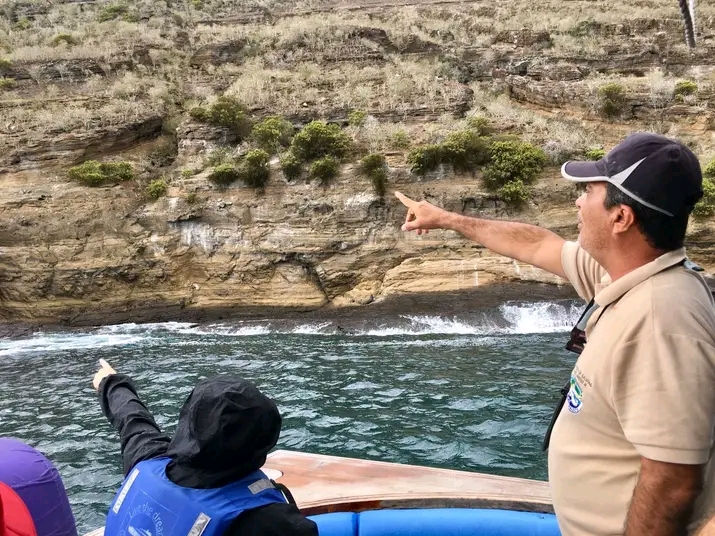
Tourists and conservationists alike can support the survival of Galapagos wildlife by:
Following strict guidelines to avoid disturbing animals.
Supporting eco-friendly tours and local conservation projects.
Avoiding bringing invasive species or non-native plants.
Educating others about the importance of protecting the islands.
Donating to organizations working on habitat restoration and invasive species control.
Every visitor plays a role in preserving this unique ecosystem.
Problem Solving for Galapagos Conservation
Efforts to protect the Galapagos include:
Eradication programs for invasive species like goats and rats.
Marine protected areas to limit fishing and protect marine life.
Scientific research to monitor species health and adapt strategies.
Community involvement to promote sustainable tourism and local stewardship.
These actions align with the principles of Darwin theory and new Darwinism, showing how understanding evolution helps us protect biodiversity.


Comments